
Silhouette Blinds vs Zebra Blinds
- Millhaüs Blinds
- Jun 15
- 6 min read
If you are weighing silhouette blinds vs zebra blinds, you are probably already past the stage of wanting just any window covering. You want something that looks polished, controls light properly, and fits the way you actually live. That is where this comparison matters, because while both options feel modern and upscale, they perform quite differently once they are on the window.
For many homeowners in Richmond Hill, this choice comes down to one simple question: do you want softer filtered light with a more fabric-forward look, or more direct control with a sharper contemporary style? Both can be excellent. The right answer depends on the room, the level of privacy you need, and how particular you are about the final finish.
Silhouette blinds vs zebra blinds: the main difference
Silhouette blinds are designed with soft fabric vanes suspended between sheer layers. That construction gives them a floating appearance and a very gentle way of filtering daylight. They are often chosen for living rooms, dining rooms, and front-facing spaces where people want light to feel diffused rather than harsh.
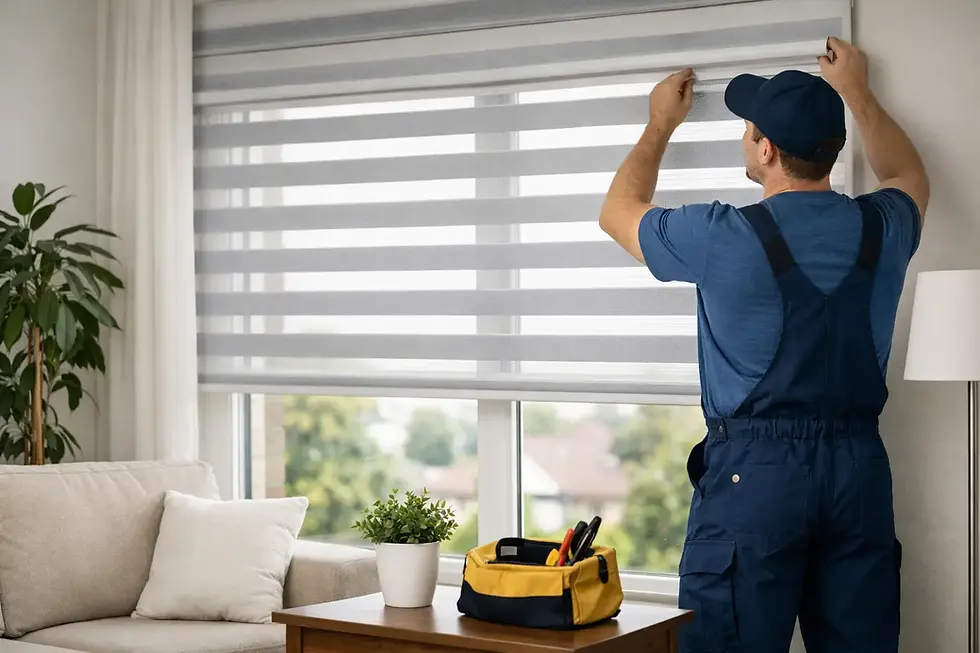
Zebra blinds use alternating bands of sheer and solid fabric that move past each other as the blind is adjusted. When the solid bands line up, you get more privacy. When the sheer bands line up, you let more light in. The effect is cleaner and more structured, which is why zebra blinds are a popular fit for modern homes, condos, and offices.
So on a practical level, silhouette blinds lean softer and more refined, while zebra blinds lean more graphic and adjustable. Neither is automatically better. They solve different problems.
How light control feels in real life
Light control is usually the deciding factor, and this is where the difference becomes more obvious once you use them every day.
Silhouette blinds create softer daylight
Silhouette blinds are excellent when your goal is to reduce glare without making the room feel dim. The sheer layers soften incoming sun and help spread it more evenly across the space. In bright rooms, that can make furniture, flooring, and screens more comfortable to live with through the day.
What they do especially well is create ambience. The room still feels bright, but the light is gentler. If you enjoy natural light and do not want a hard line between open and closed, silhouette blinds usually feel more elegant.
The trade-off is that they are not built around strong day-to-day band alignment the way zebra blinds are. You get a beautiful filtered effect, but not the same visual stop-start control.
Zebra blinds give more direct adjustment
Zebra blinds are better suited to people who like active control. You can shift the bands to change how much visibility and light comes through, and the change feels immediate. That makes them practical in rooms where lighting conditions change a lot throughout the day.
They are especially useful where you want to balance privacy and brightness without fully raising the blind. A lot of customers like that flexibility in kitchens, home offices, and family rooms.
The trade-off here is aesthetic softness. Zebra blinds look intentional and modern, but the light they create is more defined than diffused. If you want a room to feel airy and softly lit, silhouette blinds usually win.
Privacy is not the same with both options
People often assume these two products offer the same privacy because both combine sheer and solid elements. They do not.
Silhouette blinds can provide privacy while still allowing light through, but the level depends on lighting conditions and the exact fabric selected. During the day, they can work beautifully in many spaces. At night, with interior lights on, expectations need to be realistic. If full privacy is the priority, fabric choice and room use matter a lot.
Zebra blinds can be adjusted to create a more closed position, which gives users a stronger sense of control. That is part of their appeal. You can move from a more open filtered view to a more private setting without fully exposing the window treatment hardware or lifting the blind completely.
If your top concern is controlled privacy in a street-facing room or a condo setting, zebra blinds often feel more practical. If your top concern is a softer visual effect in a lower-pressure space, silhouette blinds may feel more premium.
Which style suits your space better?
This is where personal taste matters, but room architecture matters too.
Silhouette blinds suit softer, layered interiors
Silhouette blinds tend to work well in homes with warmer finishes, layered textiles, and a more upscale residential feel. They pair nicely with wood floors, tailored furniture, and spaces where the windows are meant to feel dressed rather than simply covered.
Because the vanes are suspended between sheers, the whole treatment has depth. It can make the window look more finished without becoming visually heavy. In formal sitting areas or primary bedrooms, that subtlety can make a real difference.
Zebra blinds suit modern, clean-lined rooms
Zebra blinds fit naturally into contemporary spaces. If the room has simple trim, minimalist furniture, and a clean palette, the horizontal banding tends to feel sharp and intentional.
They also suit buyers who want a stylish upgrade without moving into a more traditional fabric treatment. In condos and newer builds, zebra blinds often match the architecture more naturally than softer layered products.
If your style leans crisp, practical, and current, zebra blinds are usually the easier fit.
Cost and value: where the decision gets practical
Budget matters, especially when you are covering multiple windows.
In many projects, silhouette blinds come in as the more premium option. That is tied to their construction, look, and overall finish. They can be worth the investment when the room calls for a softer luxury feel and the windows are a visible design feature.
Zebra blinds are often a more cost-efficient way to get modern light control and custom style. For homeowners who want made-to-measure blinds across an entire main floor or throughout a condo, zebra blinds can offer strong visual impact without pushing the budget as hard.
That said, cheapest is not always best value. A front living room with large feature windows may justify silhouette blinds because the end result is more refined. A whole-home project with several bedrooms, office windows, and patio doors may make zebra blinds the smarter allocation.
Factory-direct custom options matter here because accurate measuring, tailored production, and professional installation all affect how good either product looks once finished. A blind that is slightly off in width, alignment, or mounting never feels premium, no matter what category it belongs to.
Motorization, maintenance, and daily use
Both silhouette blinds and zebra blinds can work well in a modern home, but daily handling should still be part of the decision.
Zebra blinds are often chosen by homeowners who want easy, straightforward function. Their operation is intuitive, and they suit busy spaces where people adjust the light often. In family homes or multi-use rooms, that convenience matters.
Silhouette blinds are also user-friendly, but they tend to be selected more for their appearance and light quality than for constant adjustment through the day. They are ideal when you want the treatment to stay composed and elegant with minimal visual fuss.
Motorization can improve both, especially on larger windows or in homes where convenience is part of the plan. It gives a cleaner finish and helps keep operation consistent across multiple windows. For buyers focused on long-term ease, this is often a worthwhile upgrade.
Silhouette blinds vs zebra blinds: which one should you choose?
Choose silhouette blinds if you want softer natural light, a more elevated fabric look, and a window treatment that adds quiet polish to the room. They are particularly strong in formal areas, design-led spaces, and homes where ambience matters as much as privacy.
Choose zebra blinds if you want sharper light control, a cleaner contemporary style, and better flexibility for everyday privacy adjustments. They are especially well suited to newer homes, condos, offices, and practical family spaces.
If you are still undecided, look at the room before you look at the sample book. Ask what the space needs most. Is it softness, or control? Is it a design statement, or all-day function? Once that is clear, the right option usually becomes obvious.
Custom window treatments are not just about choosing a product category. They are about getting the right fit, the right fabric, and the right installation so the final result looks intentional. That is where an in-person consultation makes the difference, because what works beautifully in one room can feel wrong in the next.
A good window treatment should make the room easier to live in every day, not just easier to photograph.


Comments