
Smart Blinds Compatibility Guide East Gwillimbury
- Millhaüs Blinds
- 3 days ago
- 5 min read
A smart blind can look like a simple upgrade until it meets a tall window, a deep sill, a busy Wi-Fi network, or a room that needs complete darkness at 6 a.m. This smart blinds compatibility guide East Gwillimbury homeowners can use starts with the details that determine whether motorized window coverings will feel genuinely convenient after installation - not just impressive on day one.
The right system should fit the window, the way the room is used, the preferred control method, and the level of light control you expect. A custom consultation is valuable because these decisions are easier to get right before fabric is selected and brackets are measured.
Start with the blind style, not the app
Smart controls work best when the window treatment already solves the room's practical needs. Motorization is an added convenience, but it cannot turn a light-filtering fabric into a blackout solution or make an unsuitable shade work on an unusually shaped window.
For bedrooms, nurseries, media rooms, and shift-worker spaces, a blackout roller shade is often the strongest starting point. The fabric blocks light effectively, while the motor lets you lower multiple shades together without walking from window to window. Small edge gaps can still occur with any inside-mounted shade, so homeowners seeking the darkest possible room should discuss mounting position, side channels where appropriate, and the room's existing light sources.
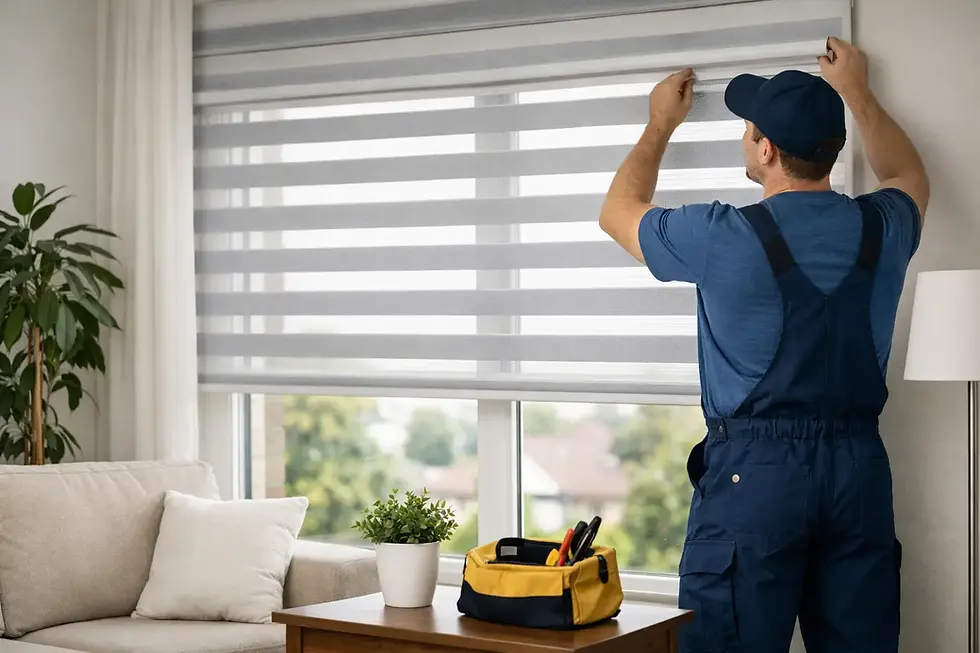
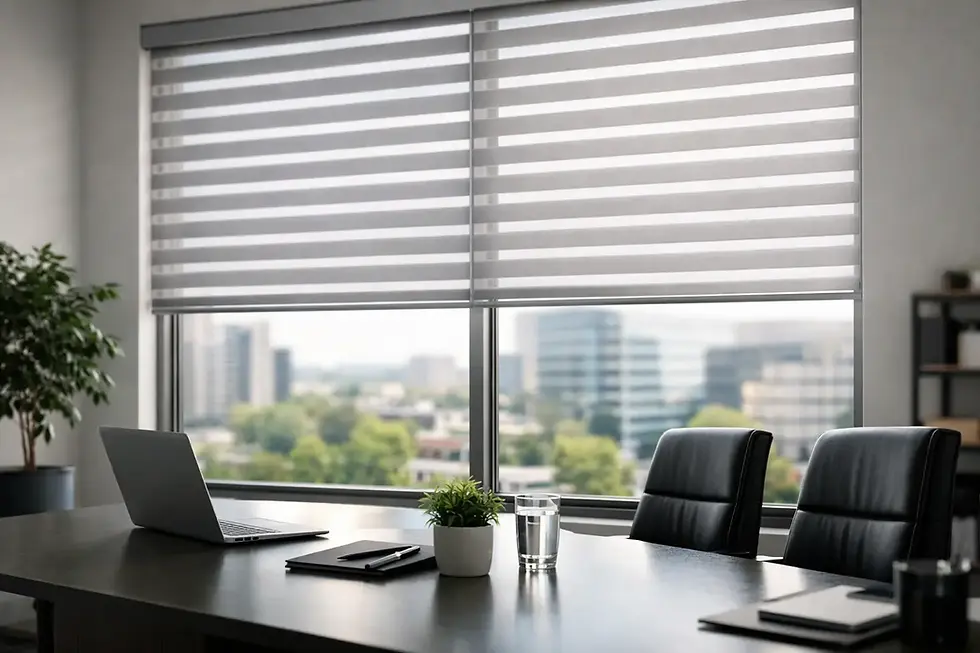
For living rooms and kitchens, sunscreen blinds can reduce glare and daytime heat while preserving a degree of outward visibility. Zebra blinds offer a different approach: alternating sheer and opaque bands allow adjustable privacy and filtered light. Both can be motorized successfully, but the better choice depends on whether daytime views or stronger privacy matter more.
Drapery and curtains can also be motorized, particularly for wide patio doors, large picture windows, and formal spaces. Their weight, stack-back space, track location, and fabric fullness all affect motor selection. This is one reason a made-to-measure solution is more dependable than choosing a control system first and hoping it suits the finished treatment.
Smart blinds compatibility guide for East Gwillimbury homes
East Gwillimbury homes range from newer open-concept layouts with broad windows to established properties with varied window depths and trim details. Compatibility begins with an accurate site measurement. The width and height of the opening are only part of the equation. Installers also assess frame material, window handles, moulding, clearance above the opening, and whether an inside or outside mount will deliver the best coverage.
A larger shade may require a more powerful motor, particularly with dense blackout fabric or a wide roller tube. Very narrow windows may have limited space for certain motor and bracket combinations. On a bay window, the angles and individual shade positions need to be planned so each treatment operates cleanly without interfering with the next.
For new builds or major finishing projects, decide early whether you want concealed wiring. Hardwired motorized blinds provide consistent power and avoid routine battery charging, but they require electrical planning before walls and finishes are complete. Battery-powered blinds are often an excellent choice for completed rooms because they keep wiring out of sight and avoid electrical work around the window.
Solar charging can reduce hands-on maintenance where the window receives suitable daylight. It is not automatically the best answer for every room. A heavily shaded exposure, a covered porch, or a window that stays closed behind blackout fabric may limit charging performance. The correct power choice depends on window access, daily use, light exposure, and your preference for long-term maintenance.
Choose controls around how you live
There is no single best way to operate smart blinds. The most useful system is the one every member of the household can use comfortably.
A handheld remote is direct and dependable. It is ideal for homeowners who want one-touch control without relying on a phone, and it can operate individual shades, a room, or a programmed group. Wall-mounted controls create a familiar experience near an entry point or bedside. They are especially practical for bedrooms, where lowering shades should not require opening an app in the dark.
App control adds scheduling and remote operation. You might set east-facing bedroom shades to rise gradually on weekday mornings, then lower sunscreen shades in a sunny family room during the afternoon. Schedules should support real routines, not create more settings to manage. Many clients begin with two or three useful scenes and add more only when the benefit is clear.
Voice control can be convenient when your hands are full or when accessibility is a priority. Compatibility should be confirmed with the specific smart-home ecosystem in use. A household using Apple Home, Google Home, Amazon Alexa, or another platform should not assume every motor communicates with every voice assistant in the same way. The hub, bridge, Wi-Fi requirements, account setup, and available commands can differ by product line.
If a home has unreliable Wi-Fi in a detached garage, basement, or far bedroom, discuss that before selecting app-based controls. A local remote can still provide day-to-day operation, while the smart system may need a properly positioned hub or improved network coverage for consistent automation.
Check the practical details before ordering
Smart blinds are an investment in comfort, privacy, and energy management, so it helps to confirm these points during your consultation:
The shade style and fabric meet the room's needs for privacy, glare reduction, insulation, and darkness.
The measured window size, frame depth, trim, and handles allow the preferred mounting method.
The motor has the right capacity for the treatment's width, drop, and fabric weight.
The power source suits the finished space, including access for charging if batteries are selected.
The chosen remote, wall control, app, or voice assistant works with the way the household will use the room.
Group controls are planned for windows that should move together, such as a bank of patio doors or a large open-concept area.
For condos, property managers, and commercial spaces, the conversation expands to include consistent finishes, privacy requirements, access control, and the number of treatments to be managed. In a boardroom or multi-unit project, central scheduling may be useful. In a rental suite, simpler room-based controls may be more practical. The right specification depends on who operates the blinds and how often settings are likely to change.
Fabric, heat, and privacy still matter
Automation can improve energy efficiency when used thoughtfully. Lowering shades during strong summer sun can reduce solar heat gain, while closing treatments after dark can add another layer between the room and the glass. However, fabric openness and colour affect performance. A darker sunscreen fabric can offer stronger glare control and clearer outward views, while a lighter tone may better suit a bright interior look. Neither option replaces proper insulation or HVAC design, but both can make a room more comfortable.
Privacy also changes from day to night. A sunscreen shade that looks excellent during the day may not provide the same privacy after interior lights are turned on. Bedrooms and street-facing rooms may need blackout fabrics, layered treatments, or a more privacy-focused material. Discussing this early prevents a beautiful smart shade from falling short after sunset.
Why professional measuring and installation pay off
Motorized treatments need precise alignment to operate quietly and consistently. Mounting height affects roll direction and coverage. Brackets must be secure, level, and positioned correctly for the treatment's width. Programming limits and group settings also need to be completed carefully so shades stop where they should and move together as intended.
Millhaüs Blinds combines factory-direct custom window coverings with professional installation, helping homeowners avoid the guesswork that often comes with off-the-shelf smart systems. Accurate quoting, tailored fabric selection, and free professional installation make it easier to choose a solution that suits both the window and the budget.
Before selecting a motor or an app, think about the moments you want to improve: a darker bedroom, less glare at the kitchen table, privacy at dusk, or easier control of hard-to-reach windows. A well-planned smart blind system should make those moments simpler every day, with the fit and finish expected from a custom installation.

Comments