
Clinic Blinds for Privacy, Hygiene and Light Control
A treatment room can feel exposed in seconds when sunlight hits a glass partition, a street-facing window leaves a silhouette visible, or a patient cannot control the glare near the exam chair. Clinic blinds solve these everyday problems with purposeful privacy, dependable light management, and materials suited to spaces that need to look clean and work hard.
For clinics, the right window covering is not simply a finishing detail. It affects patient comfort, staff focus, the visibility of screens and equipment, and the overall confidence people feel when they enter the space. A made-to-measure solution is especially valuable where windows are wide, unusually shaped, close to treatment areas, or part of a glass-walled layout.
What Clinic Blinds Need to Do
Medical, dental, wellness, physiotherapy, and professional care settings have different needs from a living room or bedroom. The best choice depends on the room, how it is used, and the level of privacy required at different times of day.
A reception area may need filtered daylight that reduces glare without making the room feel closed off. Consultation rooms often need adjustable privacy. Treatment spaces may call for blackout capability, especially where imaging, procedures, rest, or screen-based work are involved. In all cases, blinds should operate reliably, fit accurately, and maintain a polished appearance through regular cleaning.
This is why off-the-shelf coverings can create frustration. A standard size may leave side gaps, sit awkwardly against a frame, or fail to cover the full glass area. Custom clinic blinds are measured for the actual window and installation conditions, producing cleaner coverage and a more professional result.
Privacy Without Making the Clinic Feel Dark
Privacy is central to patient care, but total darkness is not always the answer. A clinic that blocks every window can feel clinical in the wrong way: enclosed, dim, and less welcoming. The goal is controlled visibility, not a cave-like waiting room.
Sunscreen blinds are a strong option for reception areas, corridors, and offices with generous daylight. Their technical fabrics help soften glare and reduce outside sightlines while preserving a connection to daylight. The openness factor matters. A more open fabric allows more view and natural light, while a tighter weave delivers greater daytime privacy and shade.
For rooms that require stronger coverage, roller shades in privacy or blackout fabrics offer a simple, streamlined finish. They sit close to the window, operate smoothly, and suit modern clinics where clean lines matter. Blackout fabrics are particularly useful when light must be minimized, though buyers should understand the trade-off: small light gaps can remain around the edges unless the window design and mounting approach are planned carefully.
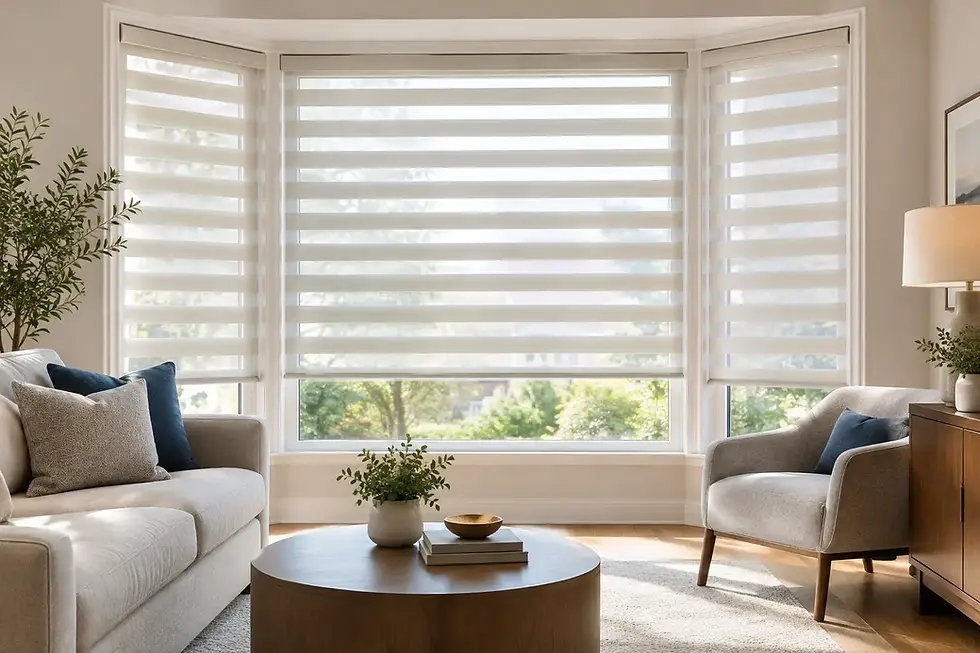
Zebra blinds can work well in administrative offices or consultation spaces where staff want quick control over filtered light and privacy. Alternating sheer and opaque bands allow the blind to shift between a softened open look and a more closed position. They bring visual warmth to a clinic, although roller shades are often the more practical choice for rooms where maximum coverage and straightforward cleaning are priorities.
Consider Glass Partitions Separately
Exterior windows are only part of the privacy conversation. Glass doors and interior partitions can expose consultations, treatment rooms, and staff work areas. A coordinated window covering plan should consider these surfaces individually. The right solution may combine sunscreen fabric in public-facing rooms with opaque roller shades where confidentiality is essential.
Choose Materials That Support a Clean Environment
In a care setting, appearance and cleanability go together. Fabric selection should be based on more than colour. The material needs to suit the room’s traffic level, cleaning routine, and functional demands.
Antibacterial blind options are worth considering for clinics that want an added layer of material performance in treatment, consultation, and high-touch spaces. These products should complement a clinic’s established cleaning and infection-control practices, not replace them. The advantage is a window treatment designed with the environment in mind rather than one selected only for its look.
Moisture-resistant, durable fabrics are also practical around sinks, entrances, and rooms where humidity or frequent wipe-downs are expected. A smooth roller shade fabric generally has fewer folds and collection points than heavily layered treatments, making it a sensible choice for many clinical settings.
Fire retardant blinds may be required depending on the building, occupancy, local code expectations, and project specifications. Property managers, developers, and clinic owners should confirm requirements early in the planning process. Selecting the correct compliant material from the start avoids last-minute compromises in colour, performance, or lead time.
Light Control That Helps Staff Work Better
Glare is more than a minor annoyance when staff are reviewing records, using monitors, or working near reflective medical equipment. Strong afternoon sun can make a reception desk uncomfortable, wash out a display, and raise cooling demands in a south- or west-facing room.
A layered approach is often the most effective. For example, sunscreen blinds can manage bright daylight in a waiting room, while blackout roller shades serve procedure or assessment rooms that need greater control. This allows each area to perform according to its actual use instead of forcing one blind style across the entire clinic.
Motorized blinds are particularly useful for large windows, hard-to-reach glazing, and spaces where staff need quick, repeatable adjustments. With the press of a button, a team can reduce glare before an appointment, create privacy for a consultation, or lower several shades at closing. Motorization can also reduce unnecessary handling in busy shared spaces.
The best system is not always the most complex one. For a small clinic with standard windows, manually operated roller shades may be the most cost-effective, durable choice. For a larger facility with multiple treatment areas or expansive glass, motorized control can offer a better day-to-day experience.
Design Still Matters in a Professional Care Space
Patients notice the details that make a space feel considered. Window coverings influence whether a clinic feels bright and reassuring, calm and private, or unfinished. Neutral shades such as soft white, warm grey, taupe, and muted charcoal work well because they support a wide range of finishes without distracting from the space.
That does not mean every clinic needs plain white blinds. A dental office, wellness studio, or pediatric practice may benefit from a warmer palette or subtle texture that supports its brand environment. The key is selecting a fabric that remains professional under changing daylight and does not show marks easily.
For clinics in Aurora, custom fitting is especially useful in mixed-use buildings and newer commercial units where window sizes, mullions, door clearances, and mounting surfaces can vary from one suite to the next. An in-person consultation identifies those details before production, so the finished blinds look intentional rather than improvised.
Why Professional Measuring and Installation Pay Off
Commercial window coverings need accurate measurements, suitable mounting hardware, and an installation plan that respects how the clinic operates. A shade that interferes with a door, catches on a handle, or leaves an obvious privacy gap does not deliver the result the space needs.
Professional installation also helps ensure controls are placed where staff can access them easily and where the finished layout looks consistent across rooms. For clinics with several offices, treatment rooms, and public areas, consistency matters. It supports a more organized patient experience and makes future expansion easier to plan.
Millhaüs Blinds provides factory-direct custom blinds with free professional installation, helping clinic owners and project buyers access premium materials without adding unnecessary showroom markups. The process begins with the practical questions: what level of privacy does the room need, where does glare occur, how should the blind operate, and what fabric will suit the environment over time?
A Smarter Starting Point for Your Clinic
Before choosing colours or control options, walk through the clinic at the times when sunlight is strongest. Look at patient sightlines from outside, monitor glare at workstations, door swings, partition glass, and the rooms where privacy cannot be compromised. Those observations will point to the right combination of sunscreen, privacy, blackout, antibacterial, fire retardant, or motorized solutions.
A well-planned blind system lets the clinic feel open when it should, private when it must, and comfortable throughout the day. That is a practical upgrade patients may not name directly, but they will feel it the moment they sit down.


Comments